










Reg Lab-Backed Artists’ Initiative Takes Its Case for Workspace to Zagreb’s Abandoned Slaughterhouse
02.07.2026.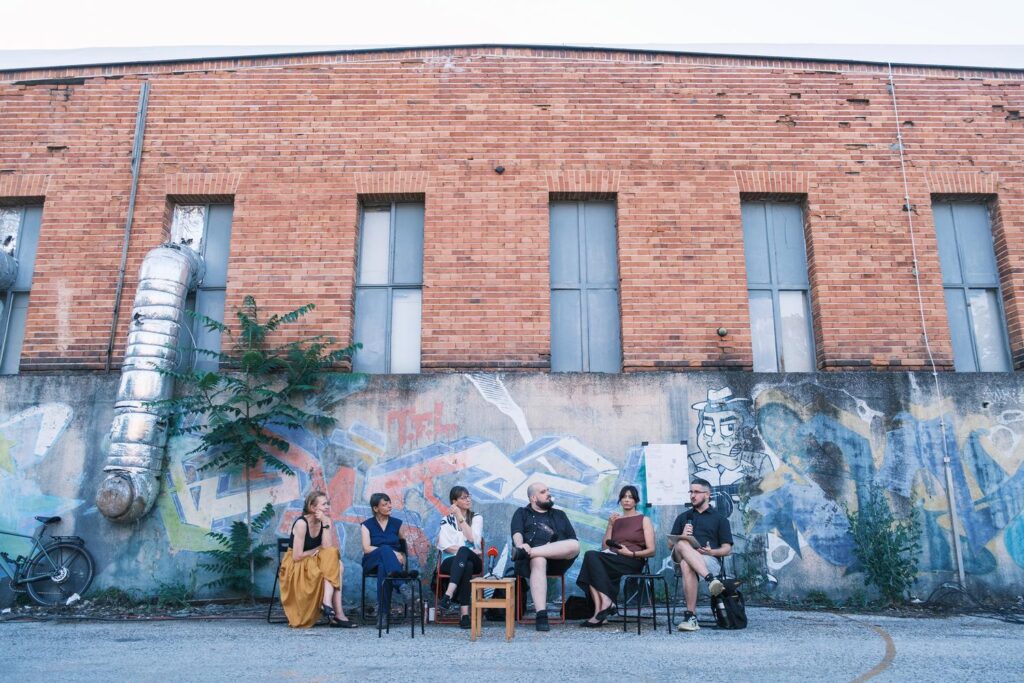
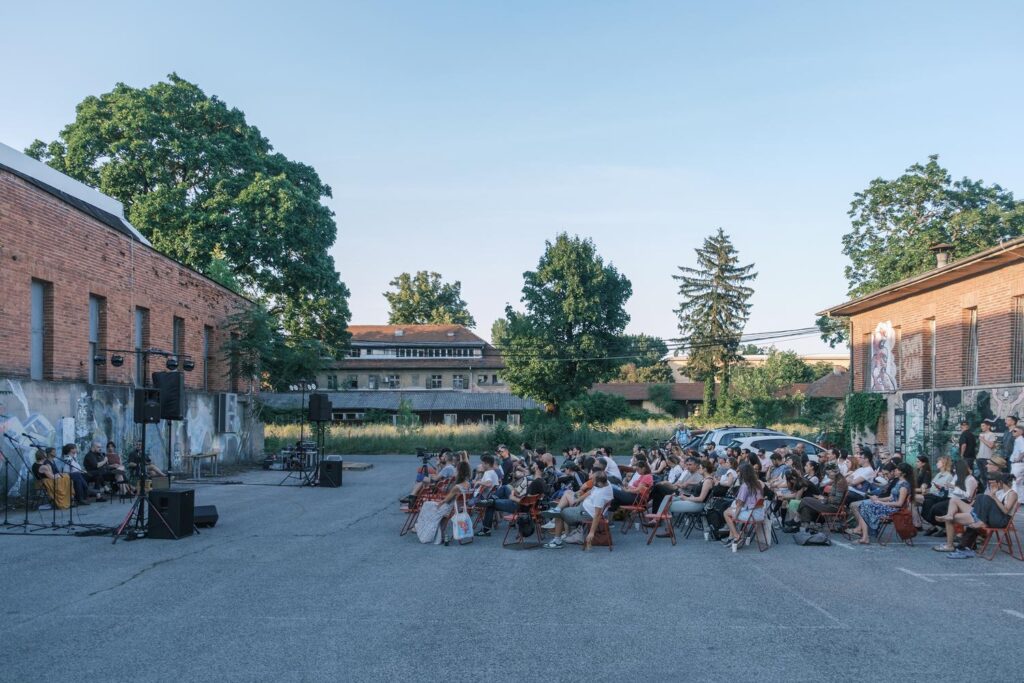
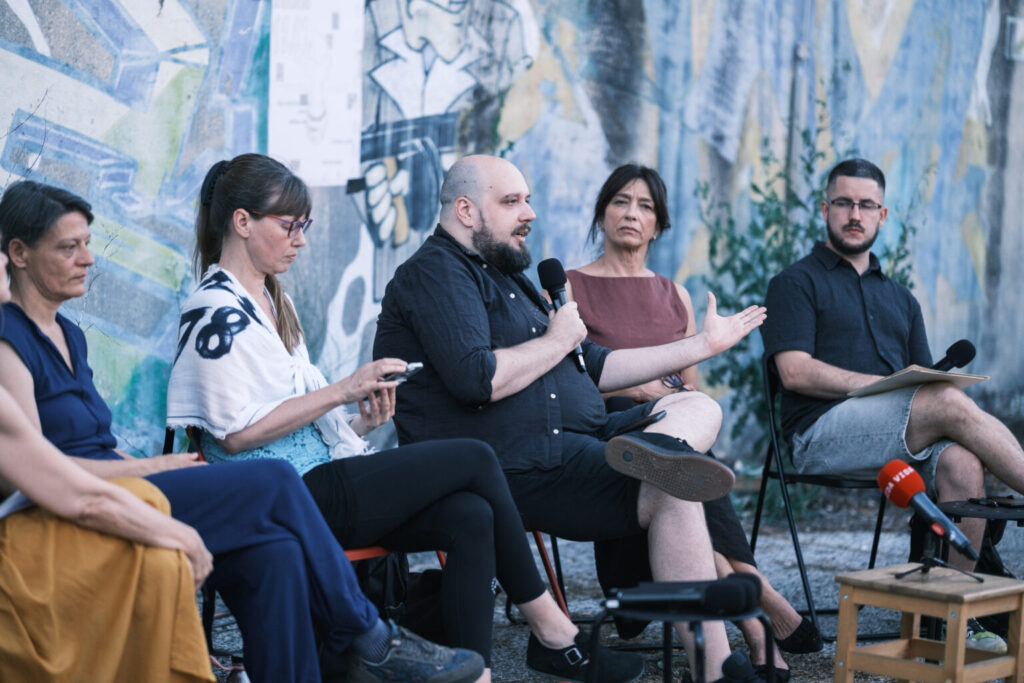
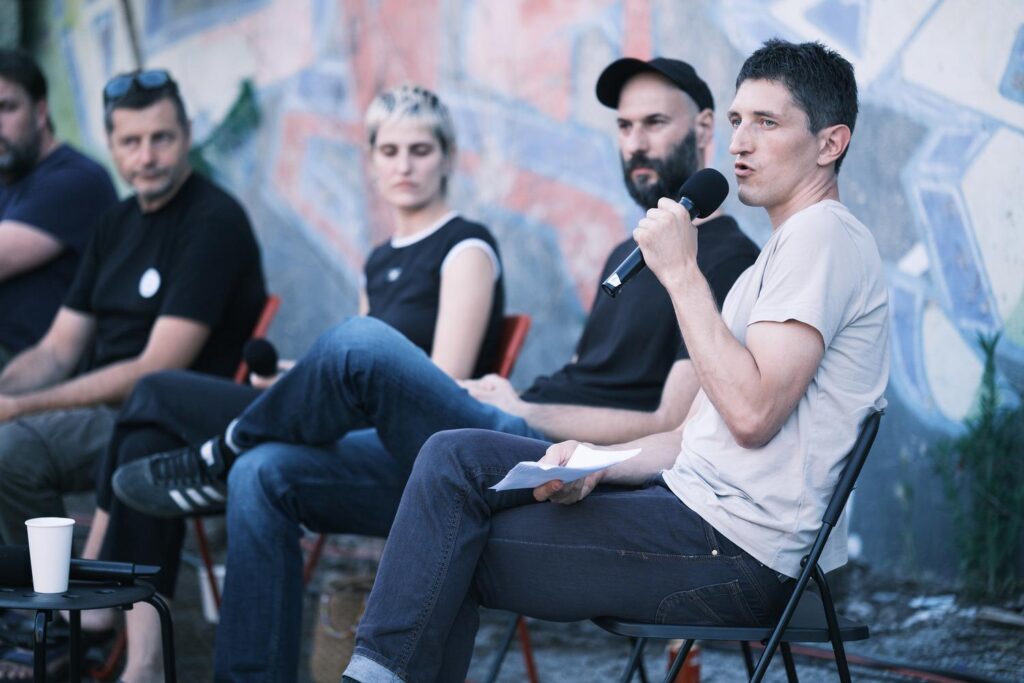
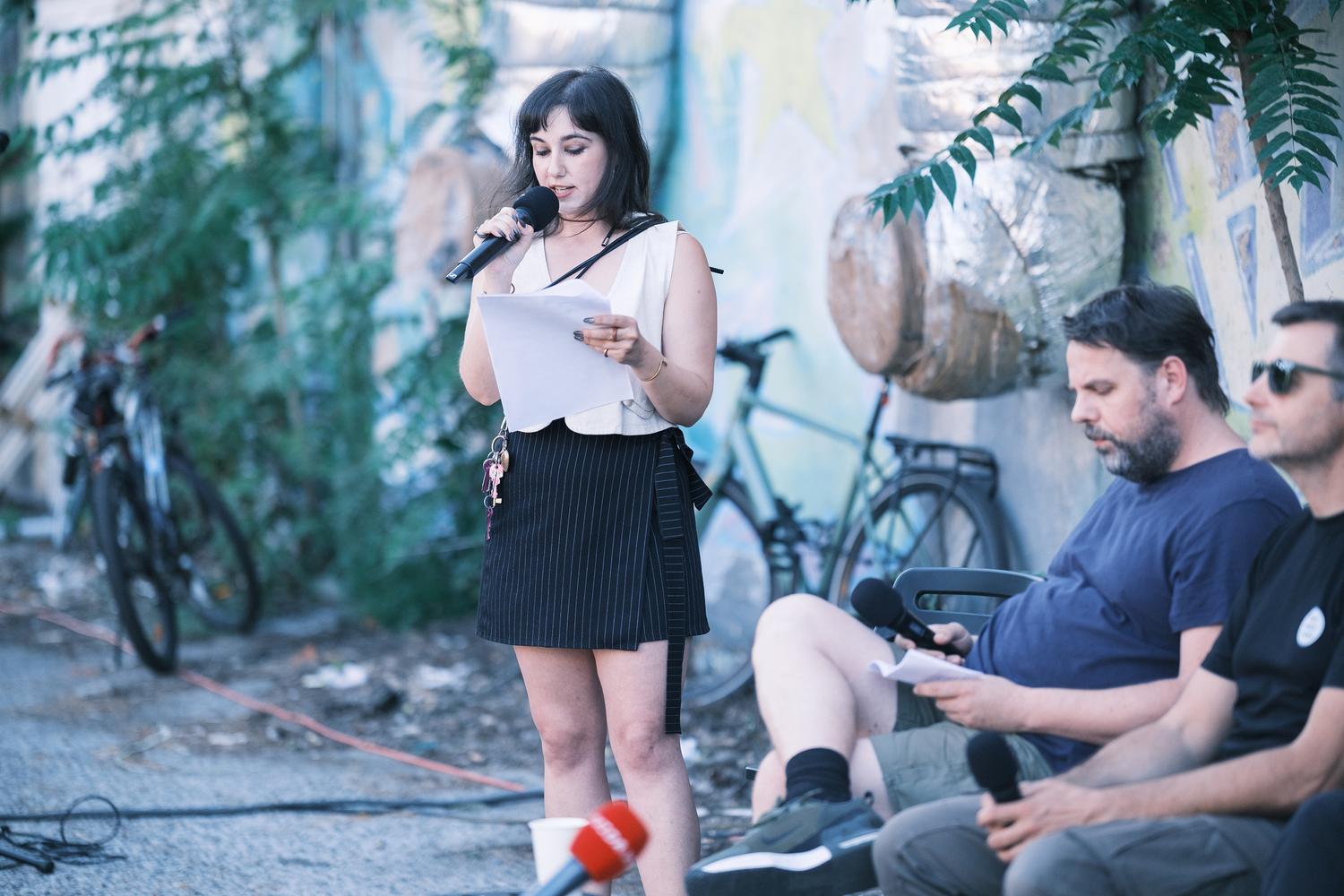
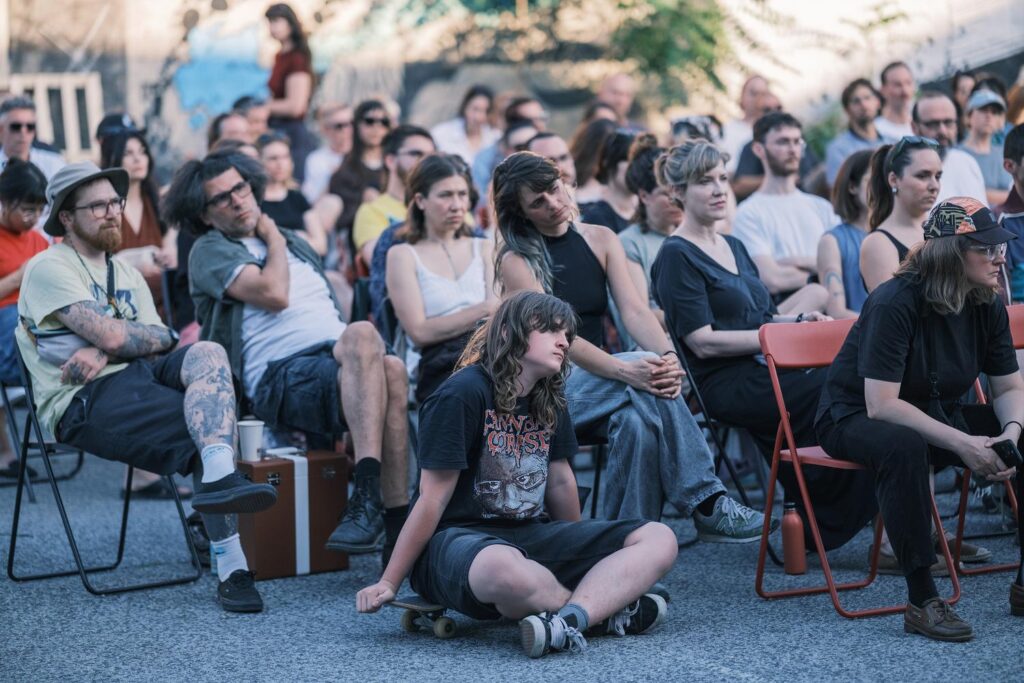
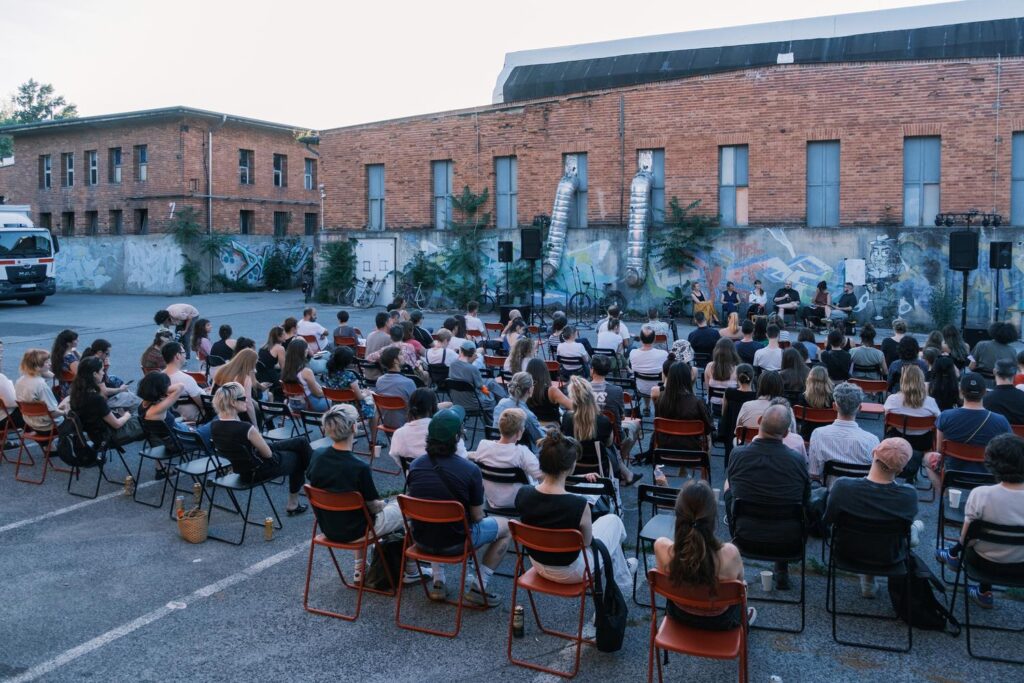
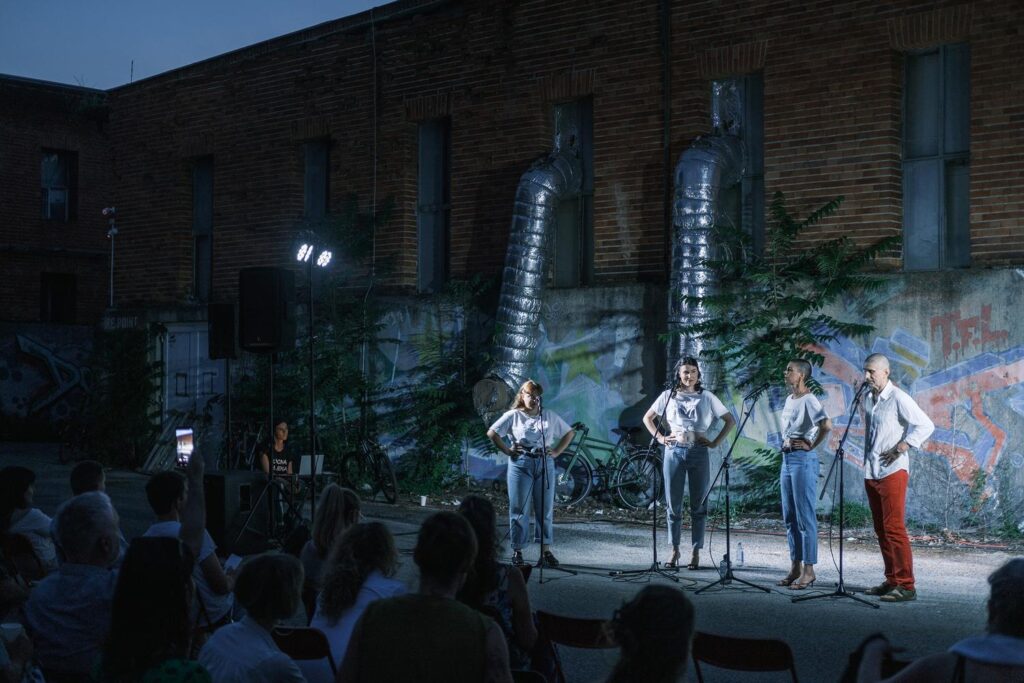
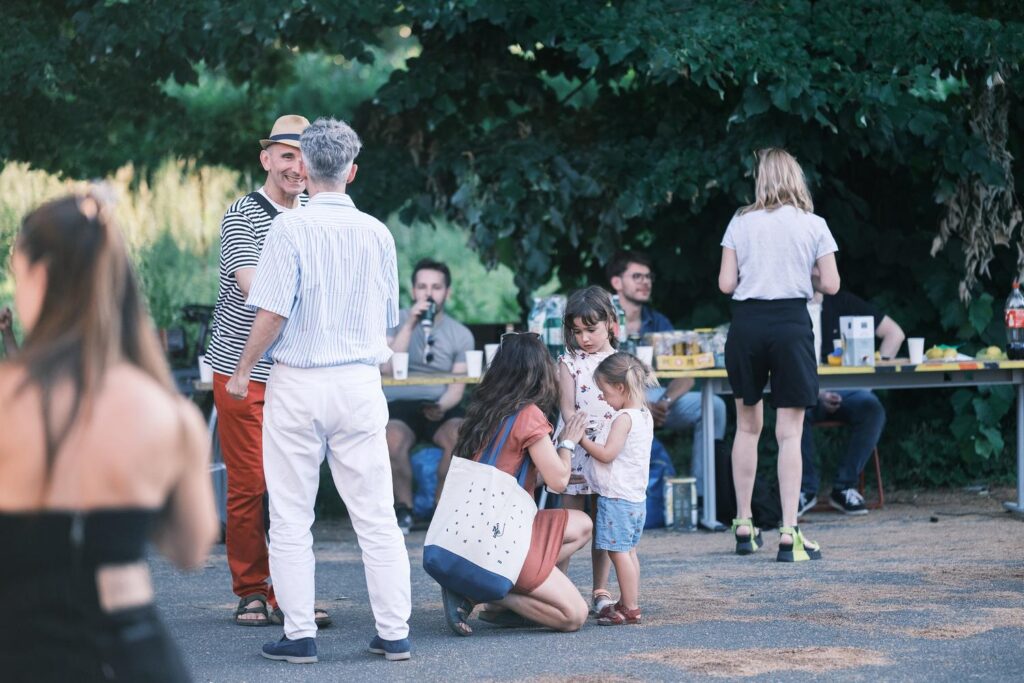
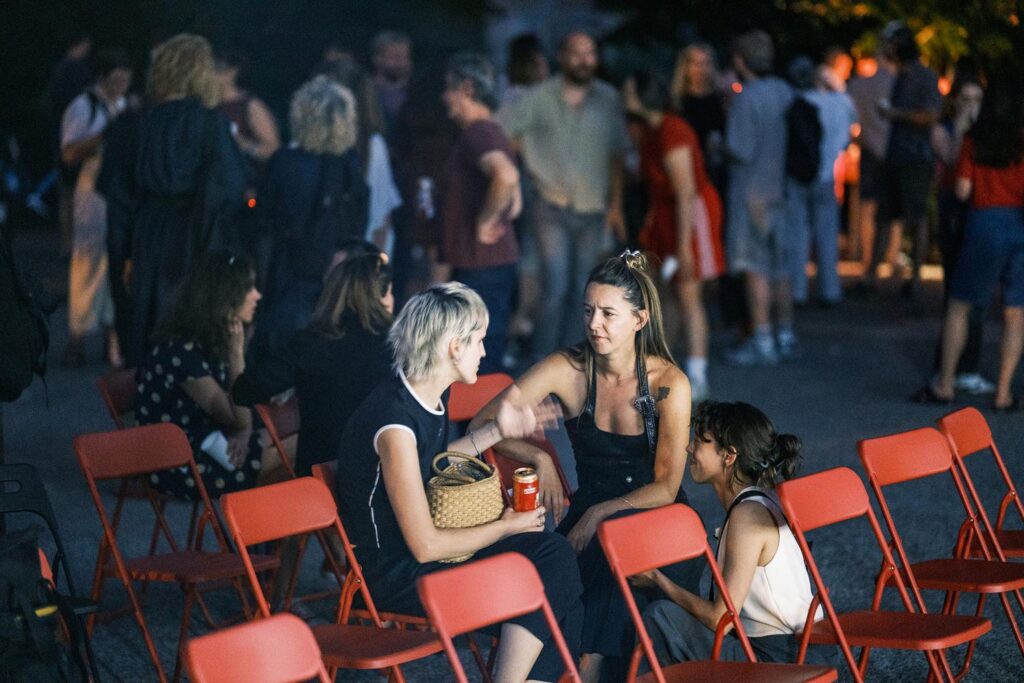
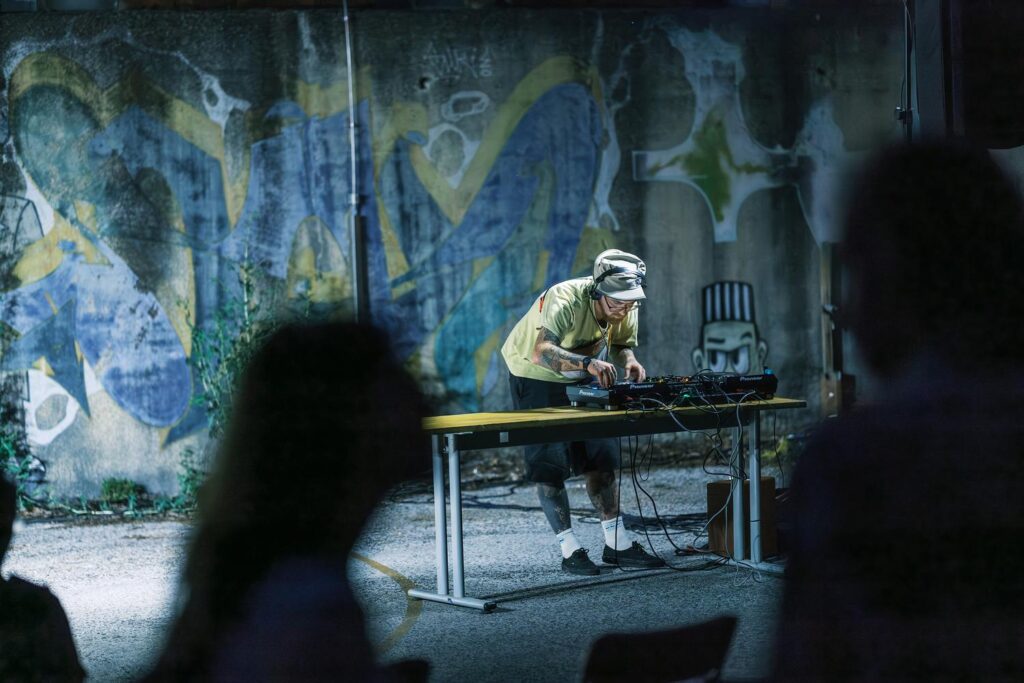
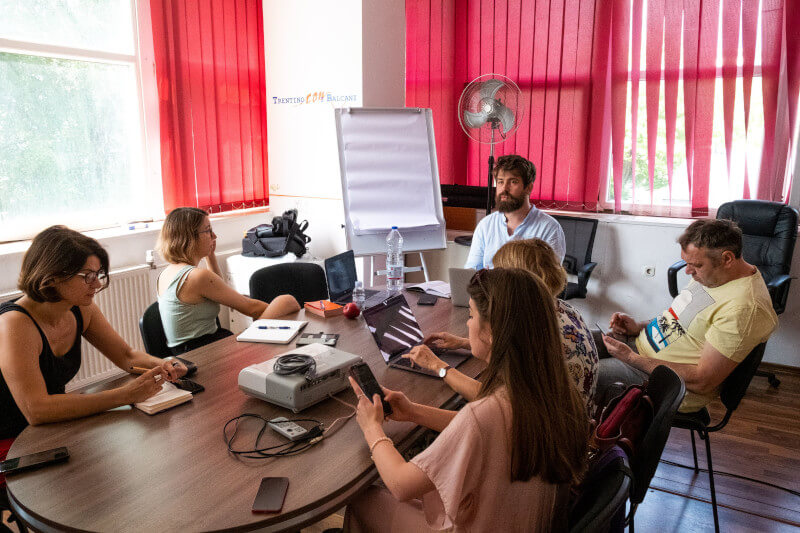
The initiative “Trebamo radne prostore” (“We Need Workspaces”) held its first public gathering on Thursday, June 18, in the former City Slaughterhouse complex in Heinzelova 66, presenting its case for turning the long-abandoned site into a center for cultural and artistic production. The event was supported by Kooperativa’s Regional Cultural Action Laboratory programme.
The initiative, which brings together more than 160 artists, cultural workers, and independent-scene organizations in Zagreb, cited an internal survey showing that over 85% of its members currently work in inadequate spaces. Speakers described a pattern of insecure, temporary, or informally arranged studios and production spaces across disciplines, from visual arts and photography to dance, literature, and design. Choreographer and curator Tea Kantoci noted that Zagreb has only one municipal venue dedicated to dance, the Zagreb Dance Center, forcing productions into a string of temporary and unsuitable spaces. Writer Marko Pogačar pointed to the lack of basic working infrastructure for literature, joking that meetings routinely take place in cafés for lack of anywhere else.
In the discussion that followed, moderated by Filip Pračić, panelists weighed both the potential and the obstacles facing the site. Sven Janovski of Operacija Grad, one of Kooperativa’s member organizations, argued there’s already broad consensus that the former slaughterhouse, given its spatial and functional characteristics, could become not just a hub for cultural production but a testing ground for new, more participatory models of managing public cultural space, potentially extending the kind of self-governance model used at Pogon and Atelijeri Žitnjak. Architect Ana Boljar (Croatian Architects’ Association) noted that planning frameworks exist but a systematic analysis of the site’s actual condition is still missing, pointing to the decade-long stalling of the nearby Badel block project as a cautionary precedent; she announced a follow-up roundtable, “Forenzika klaonica,” planned for September.
City representative Nataša Milutin Naglić acknowledged the City’s openness to cooperation but stressed that the site is bound by complex procedures under Zagreb’s urban master plan (GUP) and heritage-protection requirements, noting, in a lighter moment, that she was outnumbered by artists in the room. Kornelija Mlinarević of the Zagreb Development Agency outlined possible development frameworks, including EU funding options, while acknowledging the administrative complexity involved.
Despite the goodwill on display, the site’s redevelopment has circulated through urban studies, strategic documents, and media coverage for years without moving from planning to execution, and, as of publication, the City had not responded to questions about concrete models for repurposing or managing the site. The organizers frame the moment as a chance for the City to commit to a long-term cultural infrastructure project built together with the people who would actually use it, rather than another cycle of temporary fixes and deferred plans.