










Crossing Borders Through Critical Dialogue: Reg Lab Support for ‘Death in Dubrovnik Tour
10.04.2026.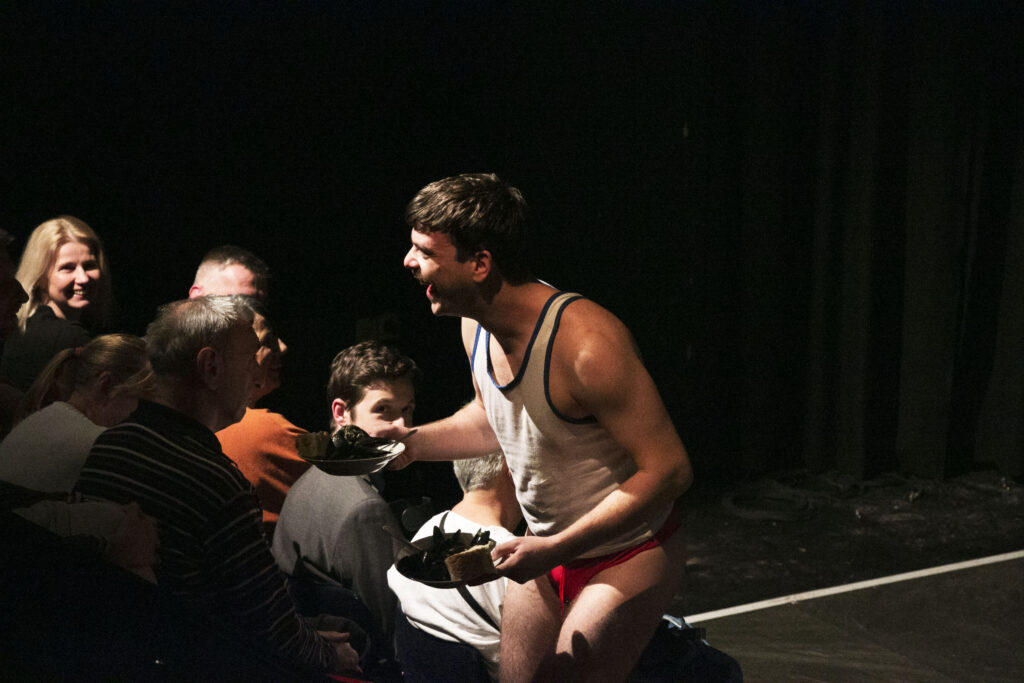
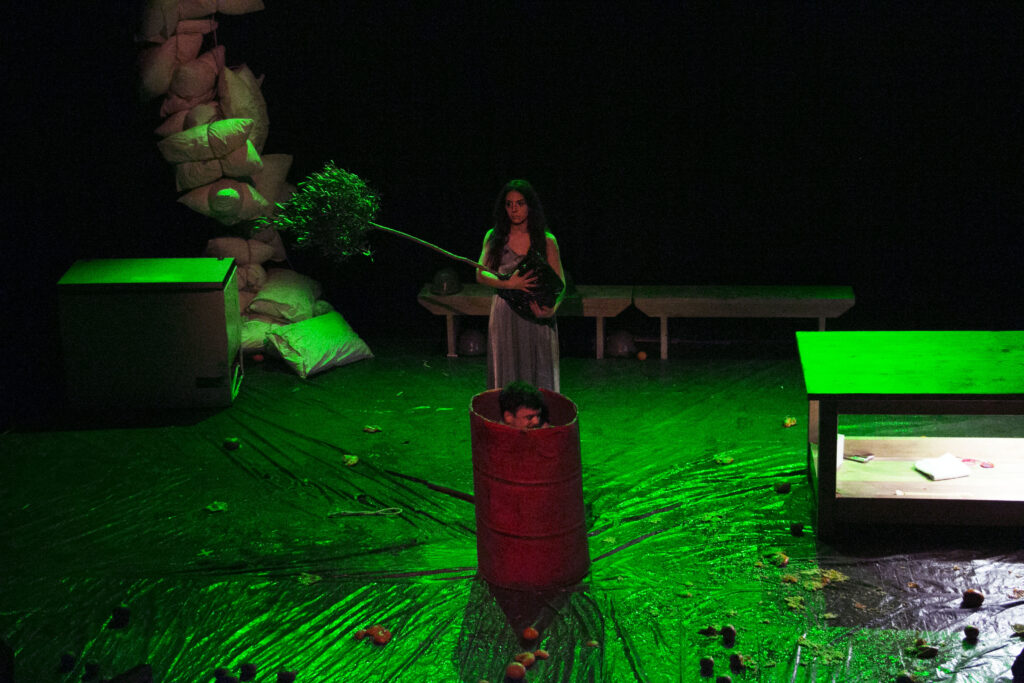
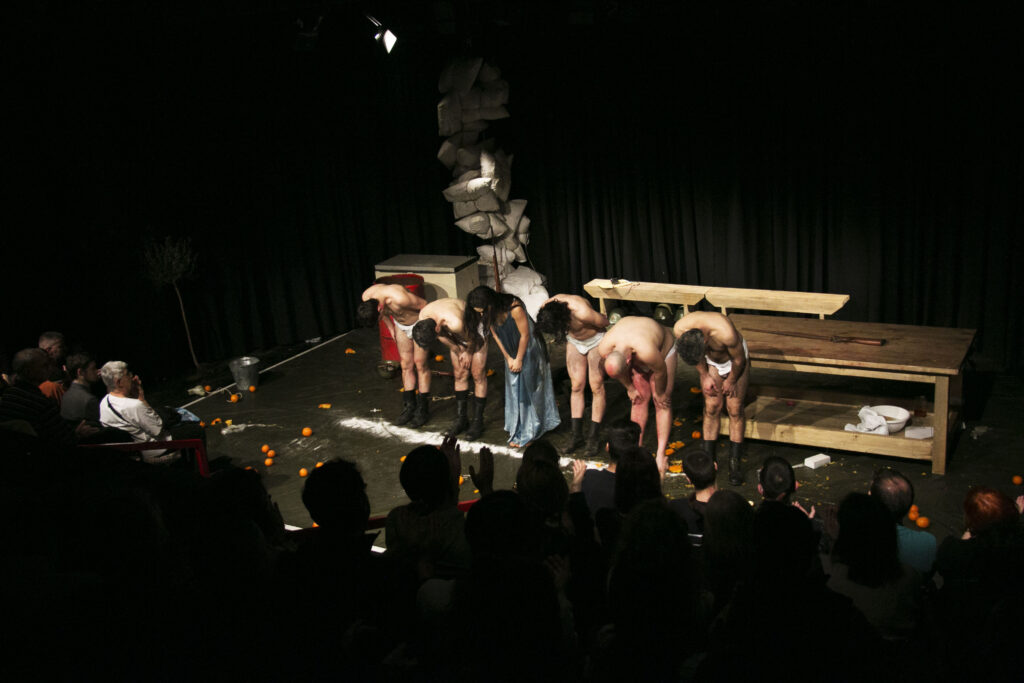
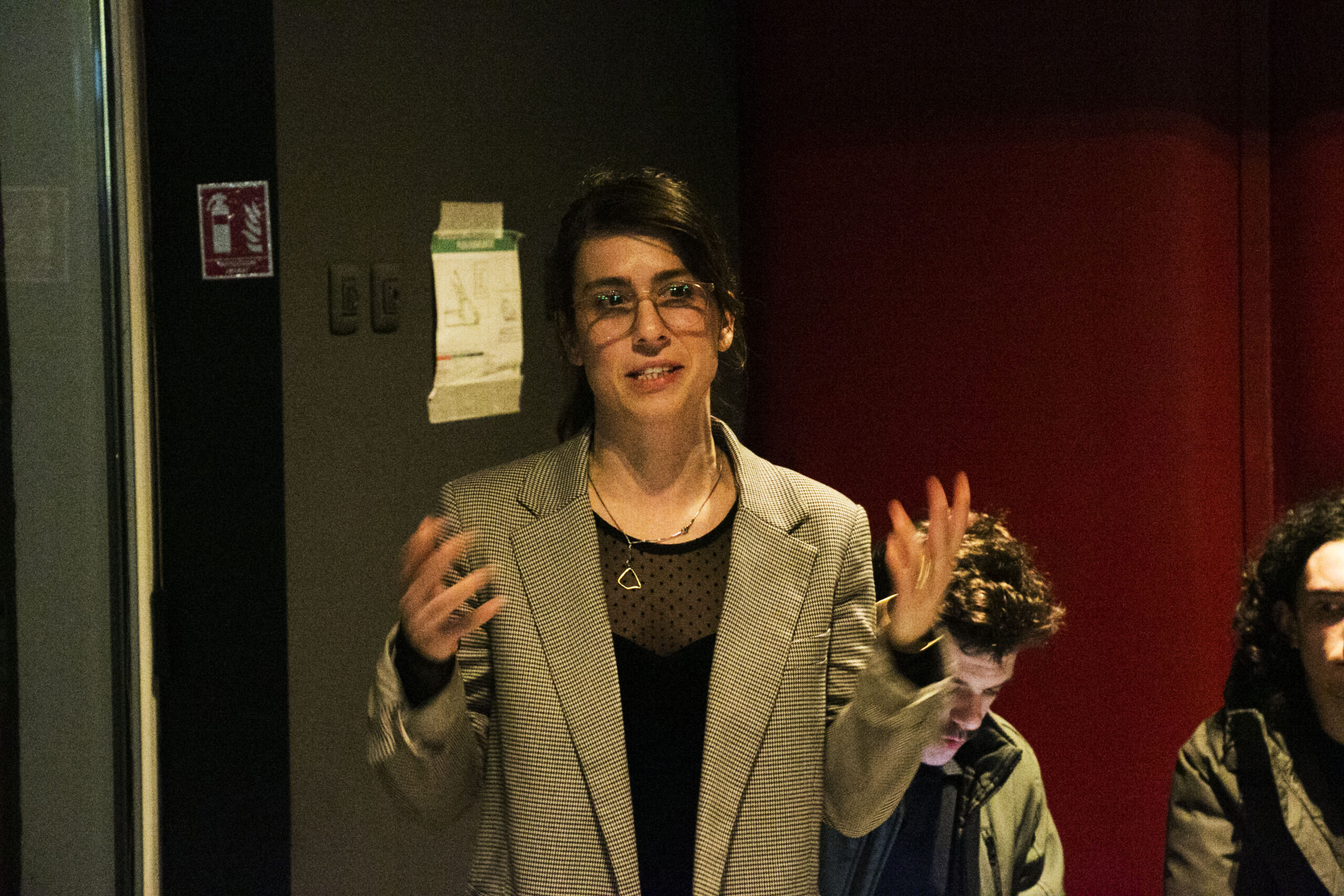
Throughout February and March 2026, Kooperativa supported NGA Prazan prostor through the Reg Lab mechanism in organising post-performance roundtables across three cities following their critically acclaimed production “Death in Dubrovnik.”
The production, created by Dramski studio “Prazan prostor” (Podgorica) in collaboration with Akcija za ljudska prava, examines Montenegro’s role in the 1991-92 attack on Dubrovnik through documentary theatre based on authentic testimonies, letters, and historical documents. Developed as part of the project “The Siege of Dubrovnik 1991-1992: Memories of War So Evil Does Not Repeat,” supported by the European Union through the regional EU Confidence Building Programme for the Western Balkans and implemented by UNDP, the work has faced systematic censorship in Montenegro despite its international backing.
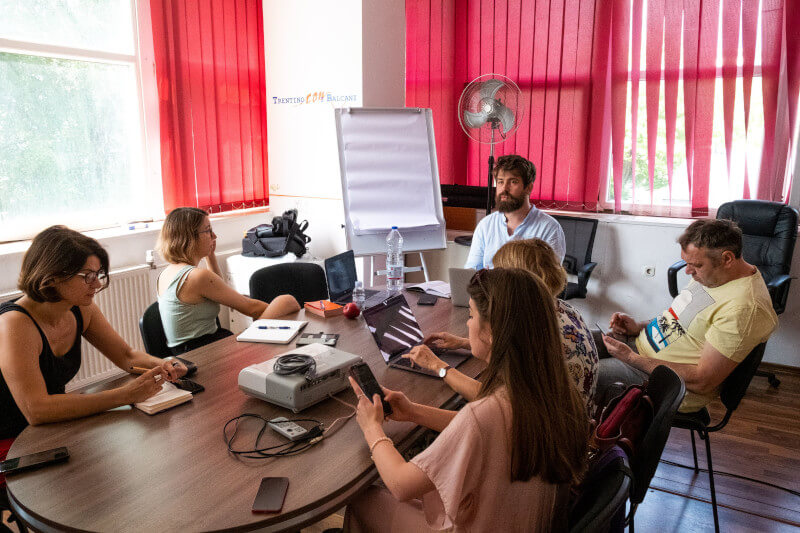
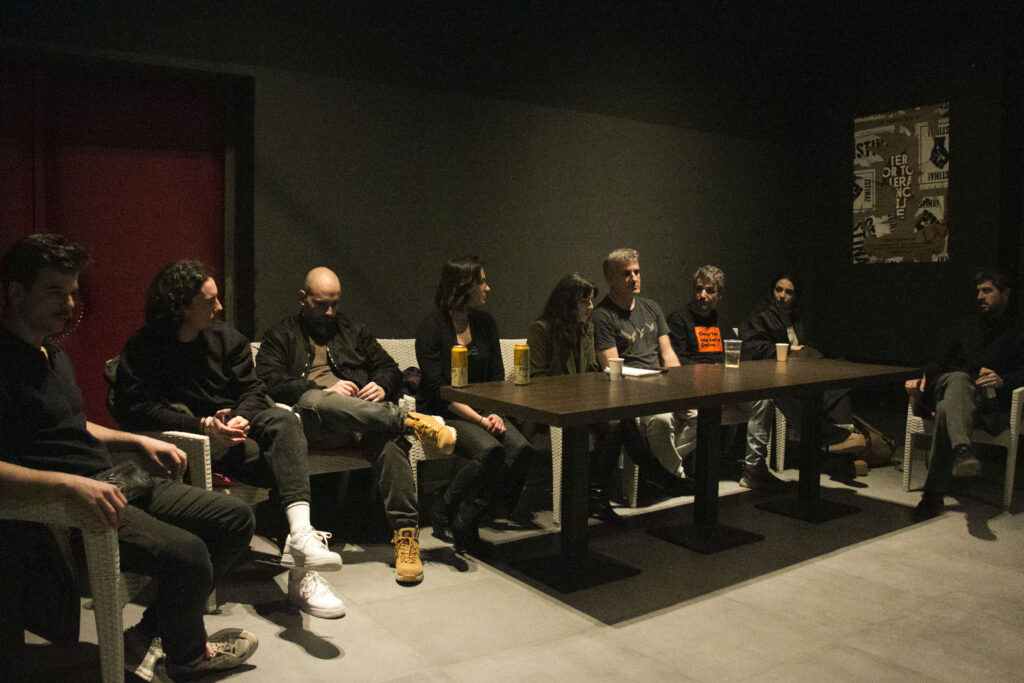
The journey began in Zagreb with two sold-out performances at Teatar &TD’s MM Center, both met with standing ovations. The post-performance roundtable, led by writer and theatre director Vedrana Klepica, brought together director Petar Pejaković, dramaturge Anja Pletikosa, and the full ensemble alongside engaged audience members. The conversation explored the three-year creative process involving extensive research, testimony collection, and educational workshops, as well as the challenges of reaching audiences both in Montenegro, where the work faces censorship, and in Dubrovnik, where confronting this history remains complex. Participants reflected on the extended journey required to bring the production to Zagreb and the vital importance of cross-border collaboration in sustaining critical artistic practice under political pressure.
In Dubrovnik, the production was presented in the city at the heart of the historical events it examines. Finnaly, in Banja Luka, the final performance brought this critical examination to Bosnia and Herzegovina, completing a journey across borders drawn and redrawn by the wars the production addresses.
Across all three cities, the roundtables Kooperativa co-organized explored the content of the production as well as the broader challenges of creating and presenting work that confronts painful legacies in contexts where such conversations face political pressure. Participants discussed the three-year creative process, the difficulties of reaching audiences both in Montenegro where the work faces censorship and in cities directly affected by the events depicted, and the vital importance of cross-border collaboration in sustaining critical artistic practice under increasingly hostile political conditions.